
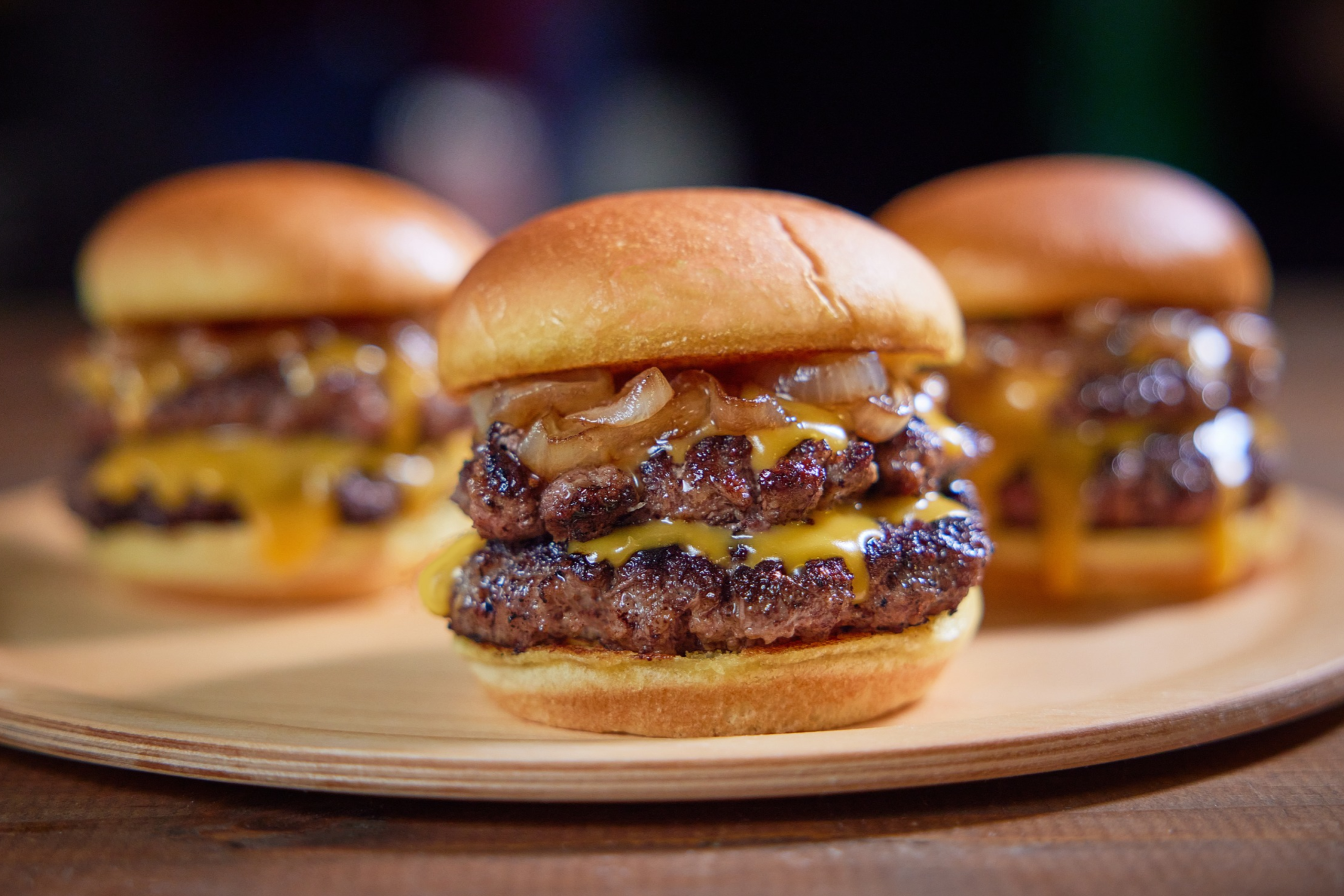
If you’ve ever wondered how to caramelize onions for Burgers the right way, the answer comes down to one ingredient most people don’t expect: patience. Caramelized onions are one of the easiest ways to take a Burger from good to unforgettable, turning a sharp, pungent onion into something sweet, rich, and almost jammy. But getting there requires understanding what caramelization actually is, and resisting the urge to rush it.
What Are Caramelized Onions, Really?
Caramelization is a slow cooking process where the natural sugars in onions break down and brown over low, steady heat, creating a deep amber color and rich, sweet flavor people crave. The process is different from making grilled onions for Burgers, which are cooked quickly over higher heat and develop char and smokiness rather than concentrated sweetness. Making sautéed onions for Burgers fall somewhere in between. They’re cooked faster than caramelized onions, but without the charring you get from a grill.
All three are great toppings, but they taste noticeably different: caramelized onions are sweet and soft, grilled onions are smoky and slightly firm, and sautéed onions are mild and tender without the deep caramel flavor that only time can create.
Best Onions for Caramelizing
Not all onions caramelize equally, so it’s worth considering what you’re after:
- Yellow onions are the classic choice because their natural sugar content breaks down beautifully over low heat, resulting in that signature sweet, deep flavor.
- Sweet onions (like Vidalia) are another excellent option, especially if you want an even milder, sweeter result.
- Wondering if you can caramelize red onions? The answer is yes. Just note that they hold their shape a bit more and bring a slightly different, slightly tangier flavor profile, which makes a nice variation when you want something a little less sweet.
- White onions bring a sharper bite when raw, but that sharpness mellows out nicely with caramelization, leaving behind a clean, slightly less sweet flavor than yellow onions, making them a good option if you want the onion flavor to come through a bit more.
- Shallots caramelize quickly thanks to their lower water content and higher sugar concentration, yielding a rich, almost garlicky sweetness. They’re a great choice for a smaller batch or when you want a more delicate, refined flavor on your Burger.
When it comes to the best onions for Burgers specifically, yellow onions tend to be the most popular because their flavor pairs so well with beef.
The Proper Way to Caramelize Onions
So, how do you caramelize onions properly? Start by thinly slicing your onions into uniform slices help them cook evenly. You’ll need a wide, heavy-bottomed skillet or Dutch oven, a fat (butter, olive oil/avocado oil, or a combination of both), and salt to help draw out moisture early in the process.
Heat your preferred fat over medium-low heat, add the onions, and sprinkle with a bit of salt. From there, the process is mostly about stirring occasionally and letting the onions slowly soften, release moisture, and brown over 35-45 minutes. If they start sticking or browning too quickly, a small splash of water, broth, or wine can help deglaze the pan and keep things moving without burning.
Patience truly is the key ingredient here. Low and slow is non-negotiable if you want genuine caramelization rather than just browned onions.
The Biggest Mistakes People Make
- High heat isn’t ideal. The most common mistake is turning up the heat to speed things up, which often leads to burnt, bitter onions rather than sweet, golden ones. It’s better to go low and slow.
- Overcrowding the pan is another issue, since too many onions steam instead of browning properly. That said, eventually the steam will evaporate and the caramelization process will begin, so if you want to make an extra big batch and freeze some for later (highly recommended!), loading up a Dutch oven isn’t a bad thing. It’ll just take longer—closer to an hour—to achieve the golden-brown hue we’re after.
- Not salting early enough is a common misstep. Salt helps pull moisture out of the onions, which jump-starts the release of their natural sugars and keeps them from drying out or sticking too aggressively to the pan. Adding it too late means you lose out on that early moisture release, which can slow down the whole process and lead to uneven cooking.
- Skipping the deglazing step when onions stick is another frequent mistake. As onions cook down, they naturally leave behind browned bits (fond) on the bottom of the pan. If those bits start to burn instead of being loosened up, they can turn bitter and transfer that bitterness to the rest of the batch. A splash of water, broth, or wine at the right moment lifts that fond back into the onions, adding flavor instead of ruining it.
- Walking away for too long without stirring is probably the most common culprit of all. Caramelizing onions requires regular attention—not constant stirring, but frequent enough check-ins to redistribute the onions, scrape the pan, and make sure everything is cooking evenly. Leave them unattended too long, especially as they get further along, and you risk scorching the onions touching the hot spots of the pan while the rest stay underdone.
How Caramelized Onions Complement a Burger
Caramelized onions add a layer of sweetness and richness that balances the savory, fatty flavor of a Burger patty. That contrast—sweet against savory, jammy against juicy—is part of what makes a Burger feel more complex and satisfying. They also pair exceptionally well with melted cheese, since the sweetness cuts through rich, salty flavors like cheddar, gruyère, or blue cheese.
Flavor Variations
Once you’ve nailed the basic technique, there’s plenty of room to experiment:
- Balsamic vinegar – a splash added near the end adds tang and deepens the overall savory-sweet flavor.
- Fresh thyme or rosemary – stirred in during the last few minutes of cooking, these bring an earthy, herbal note that pairs beautifully with beef.
- Brown sugar – a small spoonful after the onions begin to sweat deepens the sweetness even further, giving the onions an extra jammy quality.
- Bourbon or red wine – a splash during cooking adds complexity and a boozy depth.
- Garlic – a clove or two added partway through brings a savory, aromatic edge without overpowering the onions’ natural sweetness.
- Balsamic-soy combo – a small drizzle of soy sauce alongside balsamic adds umami and a touch of saltiness for a more savory-sweet result.
- Smoked paprika – a light dusting gives the onions a subtle smokiness, which is great if you’re not grilling your Burger over an open flame.
- Apple cider vinegar – a splash near the end brightens the onions with a touch of acidity, cutting through the richness nicely.
How to Store and Reheat Caramelized Onions
- Storage: Caramelized onions store well in an airtight container in the fridge for up to five days, and they freeze nicely for up to three months. If you plan on freezing, we recommend portioning them out—an ice cube or two worth of onions is perfect for a single Burger.
- Reheating: To reheat, warm them gently in a skillet over low heat with a small splash of water or butter to loosen them back up. Microwaving also works in a pinch, but a skillet helps preserve texture.
Recipes to Try With Caramelized Onions
Once you’ve mastered the technique, caramelized onions open the door to some seriously craveable Burger recipes. If you love the combination of sweet onions and melty cheese, a brie caramelized onion patty melt is a rich, satisfying place to start. It’s classic diner fare, but better!
For something closer to a classic bistro flavor, a French onion Burger brings together caramelized onions, melted cheese, and savory beef in one bite. If you want to take things up a notch, a French onion bourbon Burger adds a boozy depth to the sweetness of the onions, while our French onion soup Burger leans fully into a comforting, soup-inspired flavor profile.
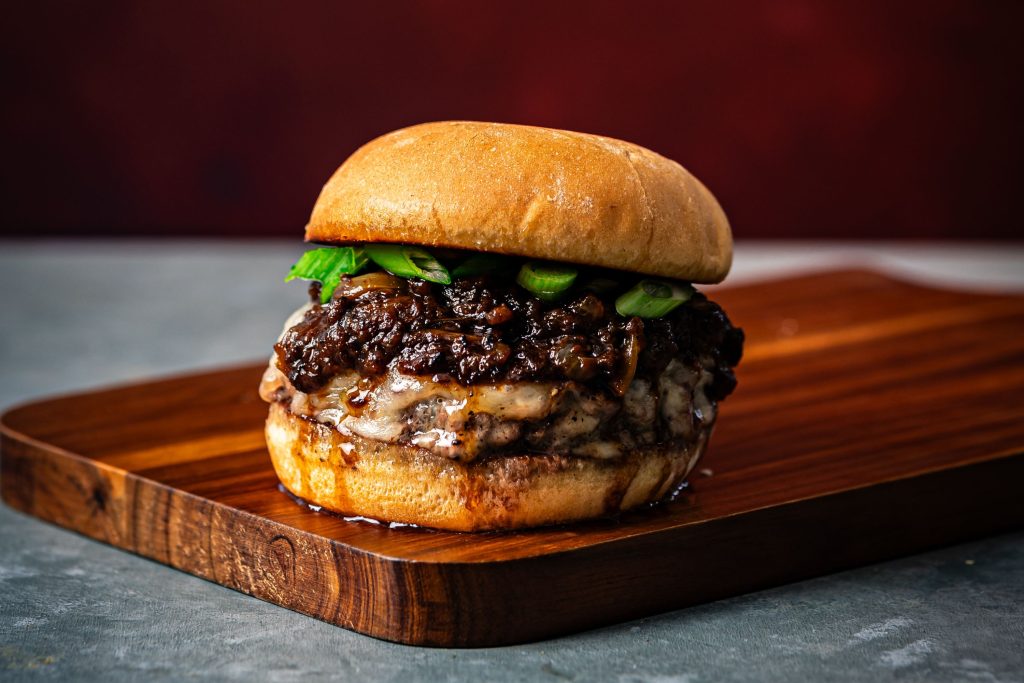
And if you’re looking for a way to use caramelized onions beyond the Burger itself, this bacon onion jam recipe is a great next step—turning your onions into a spreadable, smoky-sweet condiment that works on everything from our bourbon bacon cheese sliders and Burgers to all your favorite sandwiches.
How to Quickly Caramelize Onions
If you’re short on time, there are ways to caramelize onions faster: raising the heat slightly, adding a pinch of sugar or baking soda to speed up browning, or using a splash of broth to help soften the onions more quickly. This quicker method can get you decent results in 15-20 minutes instead of 40.
The trade-off is depth: true caramelization relies on slow sugar breakdown, so quickly caramelized onions tend to taste good but lack the fully developed, jammy sweetness you get from the low-and-slow method.
Some cooks also ask about how to caramelize onions in the oven or caramelize onions in a crock pot. Both are hands-off methods that trade some texture control for convenience, letting you walk away while the onions slowly break down on their own. Here’s how it’s done:
- Oven method: Slice your onions and toss them with butter or oil, then spread them in a covered baking dish. Roast at around 400°F for 45 minutes to an hour, stirring every 15-20 minutes, until deeply golden and soft. It won’t give you quite the same caramelized crust you get from stovetop reduction, but it’s a convenient hands-off option if you’re already using the oven for other parts of the meal.
- Crock pot method: Add sliced onions along with a bit of butter or oil to the slow cooker, then cook on low for 8-10 hours, stirring once or twice if you’re around. The low, steady heat breaks the onions down slowly over time, producing a soft, jammy texture. This method is ideal for batch-cooking a big supply to keep on hand for Burgers throughout the week.
FAQ
How long does it take to caramelize onions?
Properly caramelized onions typically take 35-45 minutes over low heat. Rushing the process with higher heat will brown the onions faster, but it won’t produce the same deep, sweet flavor.
Can you caramelize onions without butter?
Yes. Olive oil, avocado oil, or other neutral fats work well. Butter adds richness, but it’s not required for proper caramelization.
What are the best onions for Burgers?
Yellow onions are the most popular choice for their balance of sweetness and savory flavor, though sweet onions and red onions are great options too, depending on the flavor profile you’re after.
Why aren’t my onions browning?
This is usually caused by too much moisture in the pan or heat that’s too low. Make sure your onions have room to cook down and that you’re giving them enough time and heat to release and evaporate their moisture. If you’re making a big batch, it’ll just take longer for the released moisture to evaporate, which is required for the caramelization process to begin in earnest.
Are caramelized onions healthy?
Caramelized onions are generally a healthy topping — onions are low in calories and contain fiber and antioxidants. The main consideration is the added fat used in cooking, but in reasonable amounts, caramelized onions make a nutritious, flavorful addition to a Burger.

- Browse our products on the Schweid & Sons website.
- Of course, even the best caramelized onions deserve a great patty underneath them. Where can you buy Schweid & Sons? Use our handy store locator here, build any of these Burgers at home, and let your onions do the rest of the work!
- Hear all of our tips and tricks by signing up for our email newsletter here.
- Do you like caramelized onions on your Burgers? Share your thoughts with us on social media by tagging @schweidandsons or #schweidandsons on Instagram.