
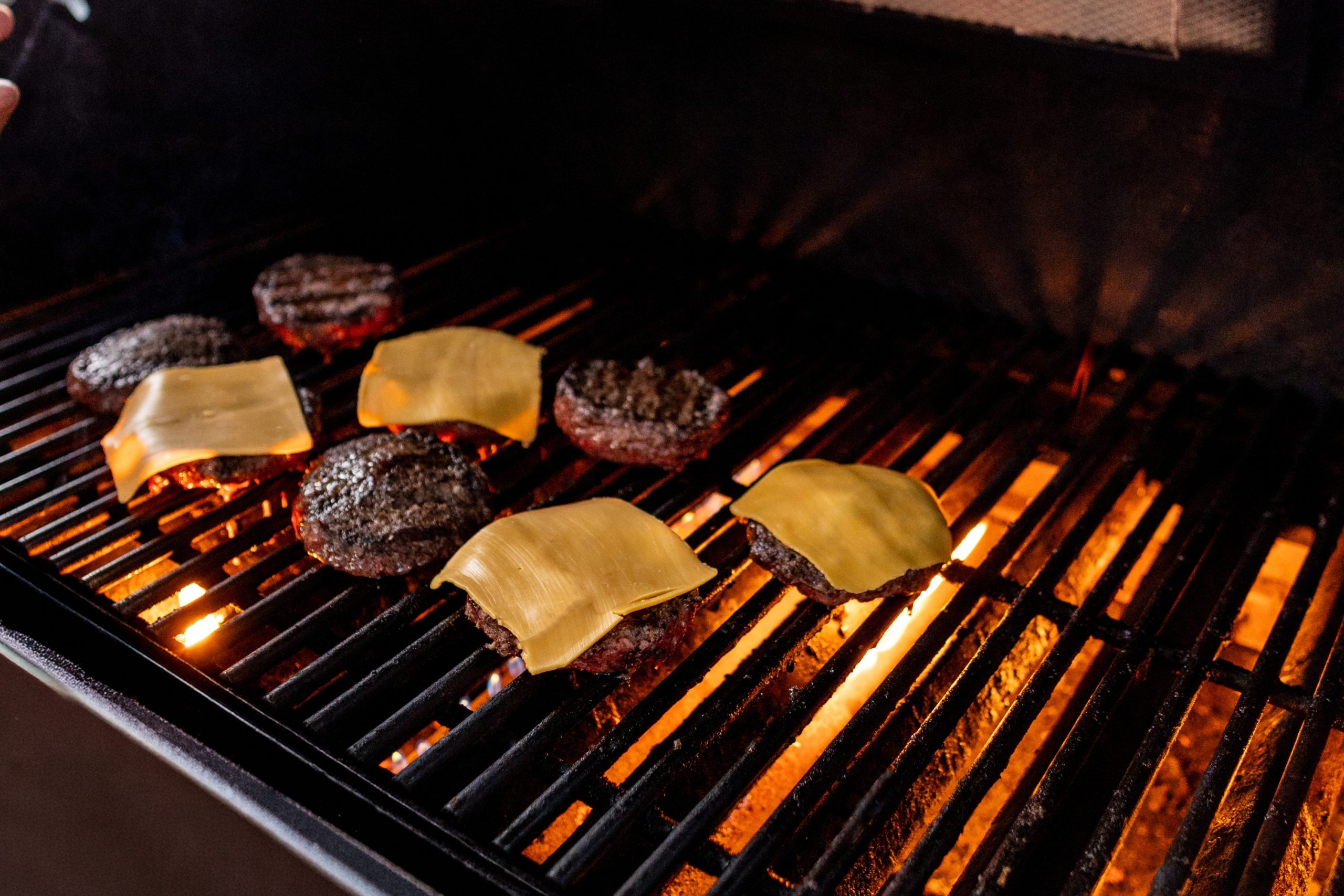
Great Burgers aren’t accidental—they’re the result of small, intentional choices made from the moment you select your beef to the second you take your first bite. The good news? You don’t need professional training or fancy equipment! Most of these tips for grilling Burgers are simple adjustments to technique and timing that take almost no extra effort.
Whether you’re a seasoned grill master or just getting started, these 12 grill tips for burgers will help you unlock more flavor, juiciness, and satisfaction from every Burger you make.
Choose the Right Beef and Lean-to-Fat Ratio
Fresh, high-quality ground beef with the right fat content is the single most important factor for better burgers. Look for a 75/25 or 80/20 lean-to-fat ratio. This range provides enough fat to keep your Burger juicy and flavorful without becoming greasy. Fat carries flavor and moisture, so skimping here means skimping on taste. Start with good beef, and you’re already halfway to a great Burger.
Season Simply
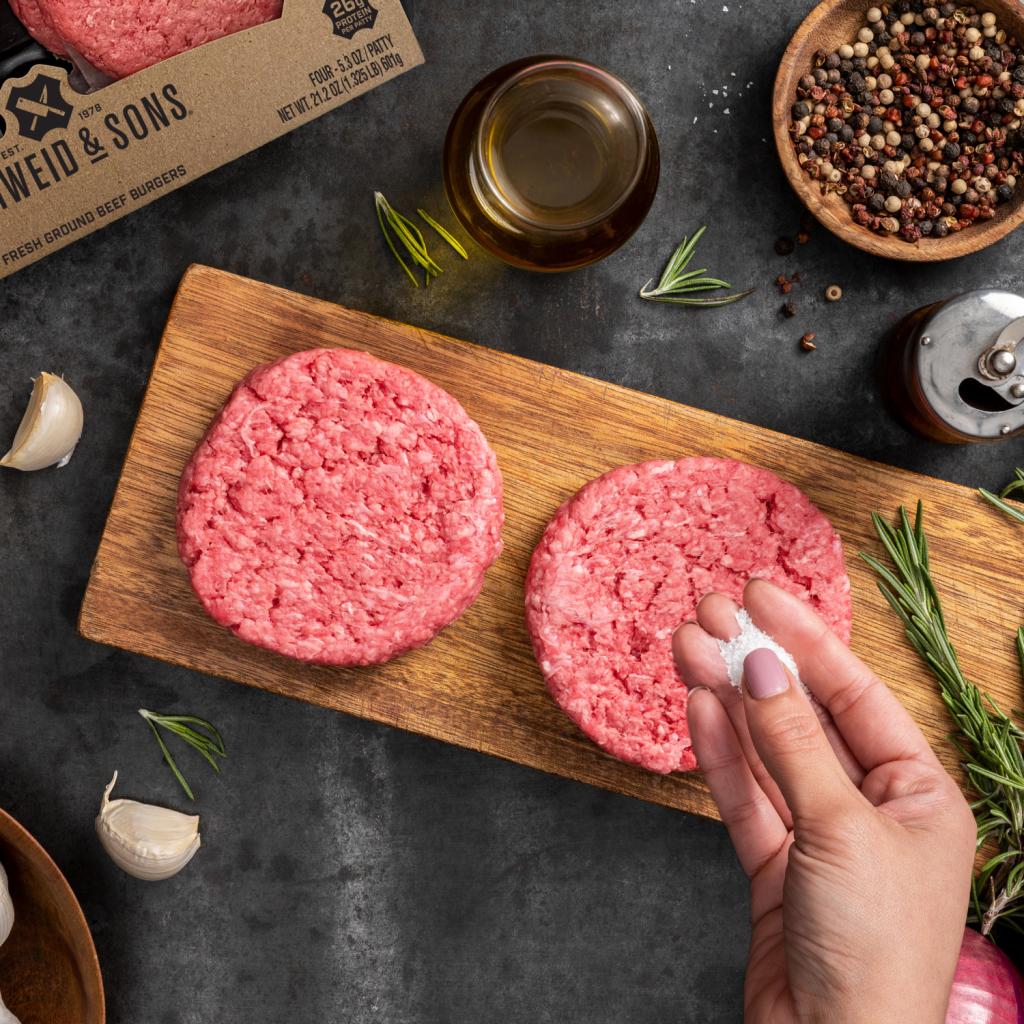
Resist the urge to overcomplicate your seasoning. Salt and pepper, applied generously right before cooking, is often all you need. Seasoning too early draws moisture out of the meat through osmosis, which can leave you with a drier patty. Seasoning right before it hits the heat gives you the best of both worlds: a flavorful crust and a juicy interior.
Feeling a little adventurous? Check out our 5 favorite Burger seasoning blends to zhuzh up your patty!
Don’t Overmix the Meat
How you handle the meat matters just as much as what’s in it. Overmixing or overworking ground beef breaks down the protein structure, resulting in a dense, tough patty instead of a tender one. This is where Schweid & Sons’ pre-formed patties come in handy, they take the guesswork out of the process and eliminate the risk of overmixing entirely.
If you prefer forming your own patties, handle the meat as little as possible and keep your grip loose. A gently formed patty with minimal handling will always be more tender than one that’s been packed too tightly.
Use High Heat for a Good Sear
Temperature is everything when it comes to flavor development. High heat triggers the Maillard reaction, which is the chemical process responsible for that deeply browned, crispy crust on the outside of your Burger. This isn’t just about texture; it’s a major flavor contributor, creating hundreds of new flavor compounds that give your Burger complexity and depth. Low, gentle heat will never achieve this effect, so don’t be afraid to crank up the temperature.
Preheat Your Grill or Pan Properly
You can’t achieve a perfectly cooked Burger on a lukewarm surface. Whether you’re using a grill, cast iron skillet, or flat-top griddle, make sure it’s fully preheated before your patties make contact.
Your patty should sizzle immediately upon hitting the surface. That sound is your cue that the temperature is right! (Not sure if it’s hot enough? Dribble a few drops of water on there—they should furiously bubble right away and evaporate quickly.) A properly preheated cooking surface locks in juices quickly and jumpstarts that flavorful crust formation from the very first second.
Do Not Press the Burger While Cooking
It’s tempting to press down on your Burger with a spatula, especially if you’re used to seeing it sizzle and flare up. Resist this urge at all costs! (Unless, of course, you’re making our ultimate Smashburgers.)
Pressing squeezes out the fat and juices that are essential for flavor and moisture, draining away everything that makes your Burger delicious. Instead, place your patty down, leave it alone, and flip it only once. Let the heat do the work without interference.
Toast Your Buns
An often-overlooked step, toasting your buns makes a meaningful difference in texture, flavor, and structural integrity. A toasted bun adds a subtle crunch and nutty flavor while also creating a barrier that helps prevent sogginess from juices and condiments. Butter your buns lightly and toast them on the grill or in a pan for 30-60 seconds until golden. It’s a small step that improves the entire eating experience.
Not sure where to start? Here’s a guide to what we think are the best buns for Burgers.
Layer Your Burger Strategically
The order of your toppings isn’t just about aesthetics; it’s about building a better Burger from the ground up! Strategic layering prevents sogginess and ensures a balanced ratio of ingredients no matter where you bite.
A good rule to keep in mind: place lettuce directly on the bottom bun to create a moisture barrier, followed by the patty and cheese, then juicier toppings like tomato and sauce closer to the top bun. This keeps your bun from getting soggy while ensuring every bite delivers the full flavor experience.
Let Your Burger Rest for a Minute After Cooking
Just like a steak, a Burger benefits from a brief rest after coming off the heat. Letting it sit for a minute allows the juices—which have been pushed toward the center during cooking—to redistribute throughout the patty. Skipping this step means those flavorful juices spill out the moment you cut into or bite the Burger, leaving you with a drier result.
Don’t Overcook Your Burger
Overcooking is one of the most common Burger mistakes, and it’s also one of the easiest to avoid. Use a meat thermometer if you’re unsure. 165°F is the standard safe temperature for ground beef, though many prefer pulling slightly before that and allowing carryover cooking to finish the job.
Overcooked Burgers lose moisture rapidly, turning tough and dry no matter how good your beef was to begin with. A thermometer takes the guesswork out and ensures perfect doneness every time. That said, if you did overdo it, here are the best ways to rehab an overcooked Burger.
Finish with a Complementary Sauce and Toppings
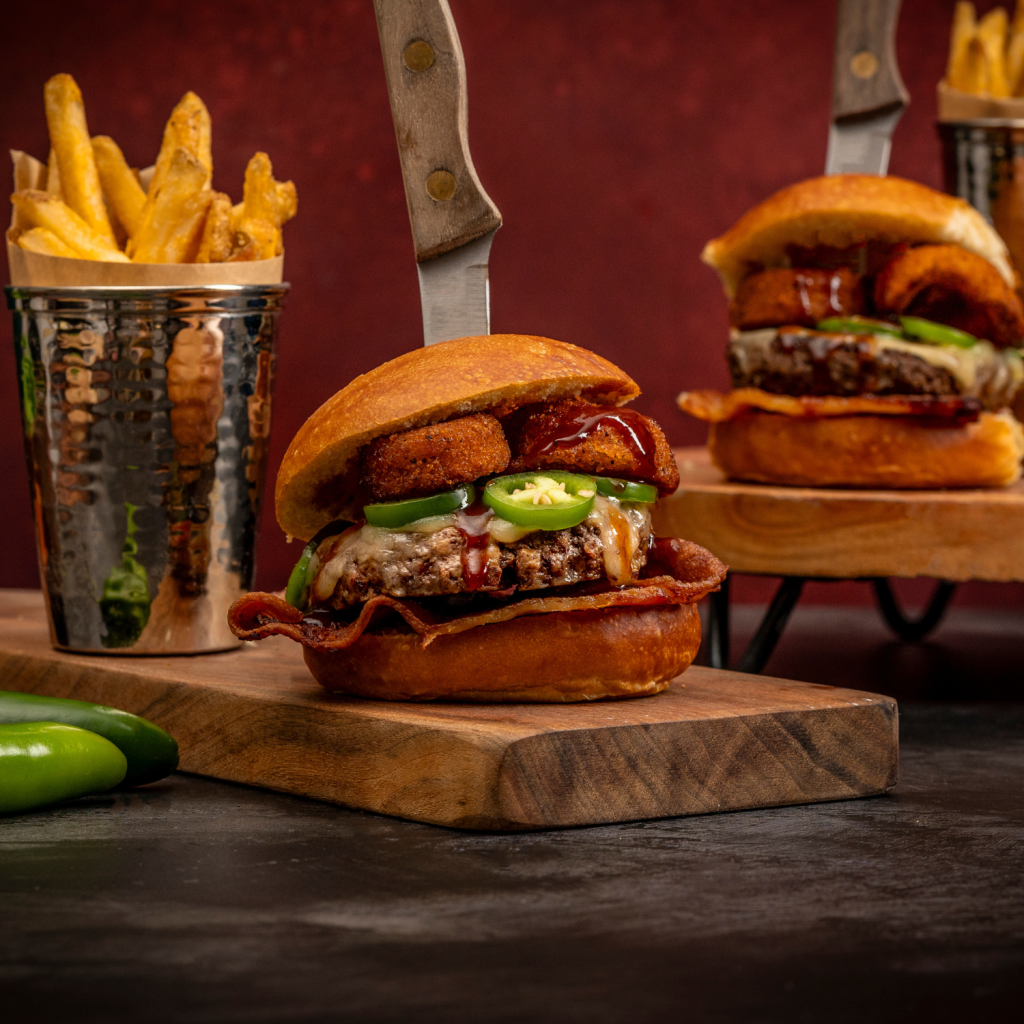
Your final touch should tie everything together. The right sauce depends entirely on your other toppings and the flavor profile you’re going for. A classic Burger might call for a simple mustard-ketchup blend, while a loaded bacon chili Burger with cheddar might benefit from a smoky bourbon BBQ sauce. The goal is complementing, not overpowering, so choose a sauce that enhances what’s already there rather than masking it.
Toppings deserve the same intentional approach. Fresh, high-quality ingredients do more than add crunch and freshness; they balance the richness of the beef and keep every bite from feeling one-note. Think about contrast: something creamy (avocado, aioli), something acidic (ripe tomatoes, briny pickles, a tangy slaw), and something with texture (crunchy lettuce, crispy onions, salty bacon) will always outperform a pile of toppings chosen at random.
Want to take your backyard Burger night a step further? Setting up a Burger bar lets everyone build their own perfect combination, sauce and all.
Small Changes, Big Flavor
None of these tips for better Burgers require special equipment or advanced skills. All you need is some attention to detail and a willingness to slightly slow down during a process that’s easy to rush.
Start implementing a few of these techniques at your next cookout, and you’ll notice the difference immediately: juicier patties, better crusts, and Burgers that taste like you actually put thought into them, because you did!

- Do you have any special tips that help improve your Burgers? Tag Schweid & Sons on Instagram using @schweidandsons or #schweidandsons and let us know in the comments!
- Find all of the available Schweid & Sons premium ground beef blends here.
- Look for Schweid & Sons ground beef at your local grocer using our store locator linked here.
- Sign up for the Schweid & Sons email newsletter for all the latest recipes and ground beef news.