
If you’ve ever typed “fresh vs frozen ground beef” into a search engine, you know you’re not alone in wondering which option is truly better. Walk down the meat aisle at your local grocery store, and you’re faced with a decision: fresh ground beef in the refrigerated case or frozen patties in the freezer section? It’s a choice that sparks endless debate among home cooks.
The truth is nuanced. While fresh ground beef offers distinct advantages in taste and texture, frozen beef isn’t the culinary no-no it’s sometimes made out to be, especially when you’re starting with premium quality meat like from Schweid & Sons.
Let’s break down everything you need to know about fresh versus frozen ground beef and Burgers and help you make informed decisions that lead to better meals.
The Fresh Advantage: Why It Matters
When given the choice, fresh is always best, and there are several solid reasons why.
Fresh, never-frozen ground beef maintains its original texture and cellular structure. The meat fibers haven’t been subjected to ice crystal formation, which means they retain their natural integrity. When you cook fresh ground beef, you’re working with meat in its optimal state: the proteins are intact, the fat is properly distributed, and the moisture content is exactly as it should be.
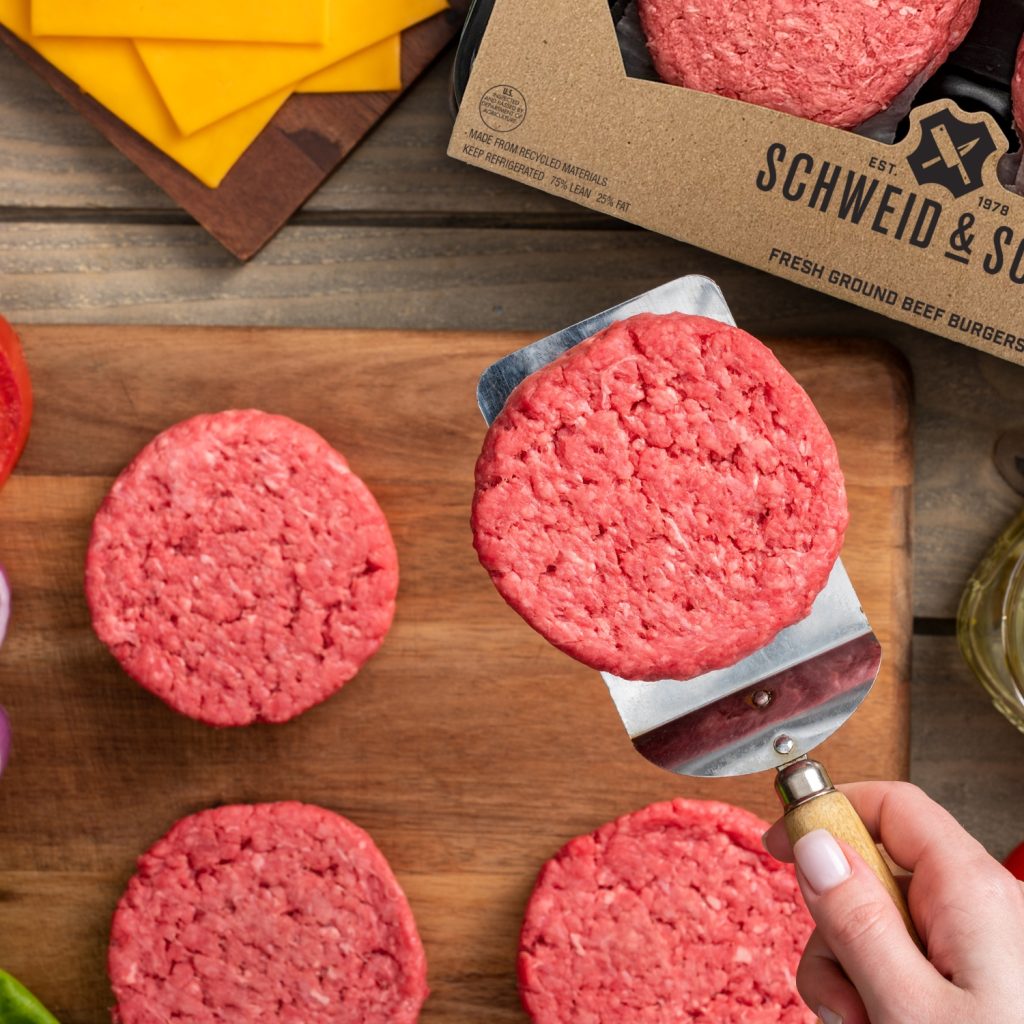
From a flavor perspective, fresh ground beef tastes more vibrant. The beef’s natural flavors are at their peak, without any of the subtle changes that can occur during freezing and thawing. There’s a brightness to fresh beef, and a clean, pure beefy flavor that’s immediately noticeable when you’re working with quality meat.
The texture difference is equally important. Fresh ground beef has a tender, almost delicate quality when raw that makes it easier to form into patties without overworking. When cooked, it maintains better moisture and has a more appealing bite. The fat renders more evenly, creating the perfect juicy texture we all crave in a great Burger.
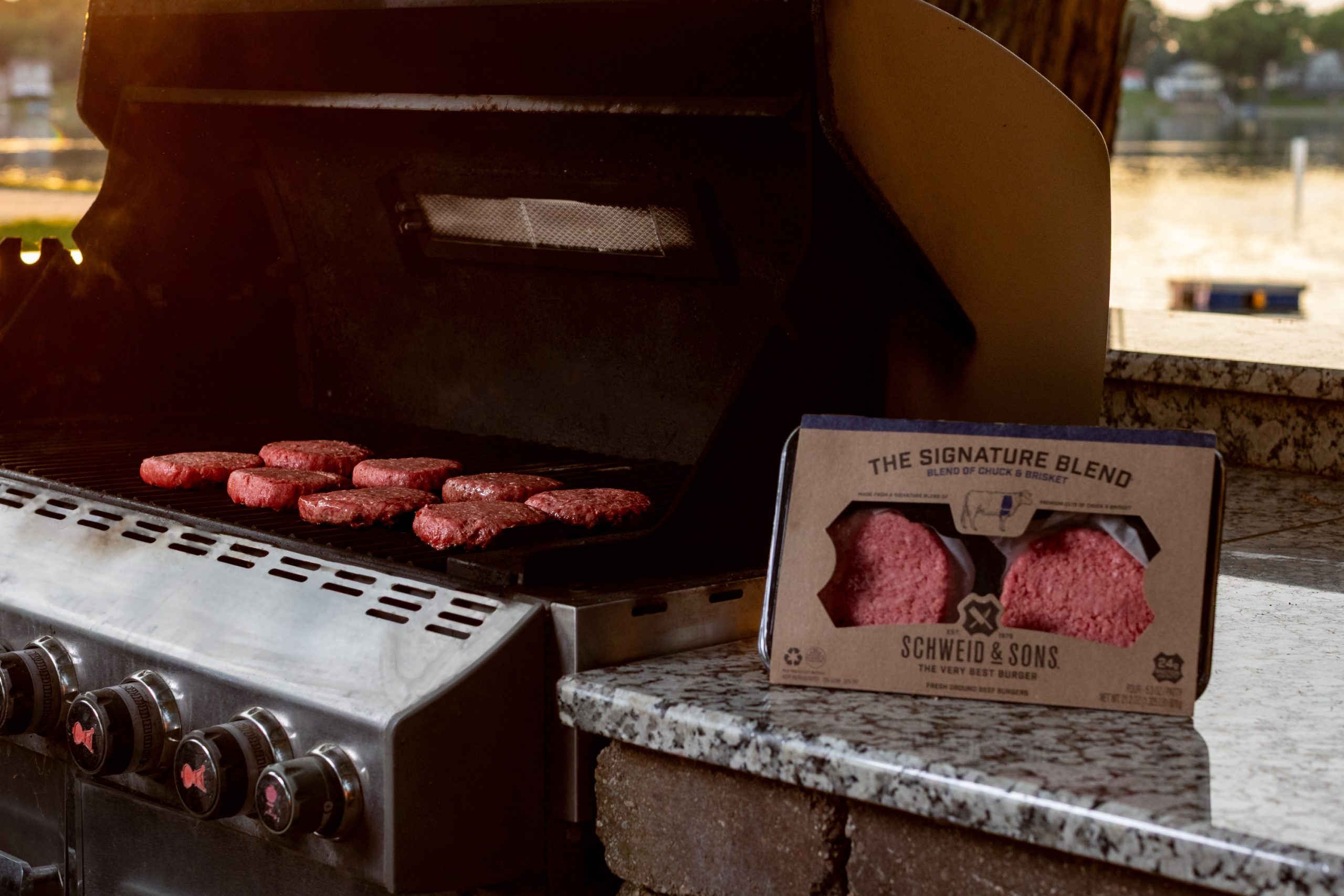
This is why Schweid & Sons ground beef bricks and Burgers are fresh, never frozen, when you find them at the grocery store. That commitment to freshness means you’re getting beef at its absolute best. Premium quality that hasn’t been compromised by freezing during processing or distribution.
The Frozen Reality: Understanding What Happens
So what actually happens when ground beef freezes? On a molecular level, the water content in the meat forms ice crystals. These crystals can puncture cell walls and muscle fibers. When the meat thaws, some of that cellular fluid is released as purge (that reddish liquid you sometimes see in packages of thawed meat), taking some flavor and moisture with it.
The extent of this damage depends on several factors: how quickly the meat was frozen, how cold it was kept, how it was packaged, and how long it remained frozen. Flash-freezing at very low temperatures creates smaller ice crystals that do less damage. Slow freezing in a home freezer creates larger crystals that cause more cellular disruption.
Does this mean frozen Burgers taste bad? Not necessarily! This is where quality becomes the deciding factor.
Can You Freeze Burgers? Should You?
Here’s the straightforward answer: yes, you can absolutely freeze Burgers and ground beef. In fact, freezing is an excellent way to extend the life of your beef and ensure you always have quality protein on hand for quick meals.
The key is understanding that freezing doesn’t improve quality, it preserves it at the moment of freezing. If you freeze premium, fresh Schweid & Sons ground beef or Burgers, you’re locking in that quality. When properly stored and thawed, they’ll still deliver excellent results. The beef was exceptional before freezing, so it remains far superior to lower-quality alternatives even after a stint in the freezer.
This is why we say: don’t shy away from freezing an extra pack of Schweid & Sons Burgers for a rainy day. The quality of the beef starts before freezing is even a factor. You’re not freezing mediocre meat and hoping for the best, you’re preserving premium beef for future convenience.
How Long Does Frozen Ground Beef Last?
For optimal quality, ground beef and Burgers should be frozen for no longer than 3 to 4 months. Beyond this timeframe, you’ll start to notice degradation in flavor and texture, even if the meat remains technically safe to eat.
The biggest enemy during frozen storage is freezer burn, those grayish-brown patches that appear when meat is exposed to air in the freezer. Freezer burn occurs when moisture evaporates from the meat’s surface, leaving it dried out and oxidized. While freezer-burned meat is safe to eat, it tastes decidedly off: stale, cardboard-like, and lacking the rich beef flavor you want.
Proper storage is crucial. If you’re freezing ground beef or Burgers at home:
- Remove them from store packaging if it’s not airtight. (You do not have to do this with our sealed Burgers or ground beef bricks.) Wrap tightly in plastic wrap, pressing out as much air as possible. Follow with a layer of aluminum foil or place in a freezer-safe zip-top bag with air removed. You can also use the water displacement method with freezer bags to cut down on materials. Just make sure you’re buying thick freezer bags, they should say “freezer” on the packaging! Thin sandwich bags won’t cut it, and you’ll end up with freezer burn.
- Label with the date so you can track how long they’ve been frozen.
- Store at 0°F or below for best results. This means avoiding the door of the freezer and tucking it as far back as possible.
- After thawing, look for signs if the ground beef has gone bad.
For leftover Burgers that have been removed from the packaging but not cooked, consider keeping parchment paper between patties before freezing so they don’t stick together. In case you need it, here’s a primer on how to scale recipes up or down depending on how many mouths you need to feed!
Can You Cook Frozen Burgers?
Yes, cooking frozen Burgers is actually quite common and can produce good results. However, cooking from frozen requires adjustments. The Burgers will take longer to cook through, and you need to use slightly lower heat to prevent burning the exterior before the interior is done. You’ll also have less opportunity to season the meat, since seasonings won’t adhere well to a frozen surface.
That said, for the best results overall, thawing before cooking is the superior method. Similar to fresh beef, thawed Burgers cook more evenly, develop better crusts, and give you more control over final doneness.
How To Defrost Ground Beef Safely & Effectively
The method you use to thaw ground beef significantly impacts both food safety and final quality. Let’s look at your options:
The Best Method: Overnight in the Refrigerator
Slow-thawing ground beef in the refrigerator is the gold standard. Place your frozen ground beef or Burgers on a plate (to catch any drips) on the bottom shelf of your refrigerator and let them thaw for 12-24 hours, depending on the amount.
Why is this method best? It keeps the meat at a safe temperature (below 40°F) throughout the entire thawing process, preventing bacterial growth. It also allows for the most even thawing, which preserves texture and minimizes moisture loss. The gradual temperature change is gentler on the meat’s cellular structure.
Yes, it requires planning ahead. But if you’re serious about quality, this is the way.
The Faster Method: Cold Water Thawing
Wondering how to quickly thaw ground beef? The cold water method is your next best option. Place the meat in a leak-proof plastic bag (ensuring it’s completely sealed) and submerge it in a large bowl of cold water. Change the water every 30 minutes to keep it cold.
A pound of ground beef will typically thaw in about an hour using this method. It’s faster than refrigerator thawing while still maintaining food safety, though it requires more attention and doesn’t preserve texture quite as well as the slow method.
What NOT to Do: Room Temperature Thawing
Never thaw frozen ground beef on the counter at room temperature. This is a significant food safety risk. As the exterior of the meat thaws and warms up, bacteria can multiply rapidly while the interior is still frozen. The USDA warns that bacteria can double in number every 20 minutes when meat is in the “danger zone” between 40°F and 140°F. It’s simply not worth the risk, no matter how pressed for time you are.
The Microwave Method: Last Resort Only
Most microwaves have a defrost setting, and while you can use it for ground beef, we don’t recommend it as a primary method. Microwaves thaw unevenly, often cooking the edges while the center remains frozen. This creates texture problems and makes it difficult to work with the meat. If you must use the microwave, cook the beef immediately after thawing to avoid bacteria growth.
Can You Re-Freeze Ground Beef After Thawing?
This is one of the most common questions, and the answer is: it depends on how you thawed it.
- If you thawed ground beef in the refrigerator and it remained at 40°F or below throughout the thawing process, you can safely re-freeze it, though there will be some quality loss. Each freeze-thaw cycle causes additional cellular damage and moisture loss, so the texture and juiciness will suffer. The meat will be safe but noticeably less appealing.
- If you thawed ground beef using the cold water method or in the microwave, you should not re-freeze it without cooking it first. These methods bring parts of the meat into temperature ranges where bacteria can grow, even if only briefly. Cook the meat thoroughly, then you can freeze the cooked product if needed.
The practical takeaway? Only thaw what you plan to use. If you have a large package, consider portioning it before the initial freezing so you can thaw only what you need. And don’t forget to check out our best freezer meals with ground beef so you can always have something delicious and nutritious close at hand.
The Taste Test: Fresh vs. Frozen in Real Life
If you’re comparing fresh, never-frozen Schweid & Sons ground beef to the same beef after it’s been properly frozen for a month and properly thawed, will you taste a difference? Possibly, especially if you’re paying attention and doing a side-by-side comparison.
The fresh beef will have a slightly more vibrant flavor and a marginally better texture; a bit more tender, and a bit juicier. The difference is real but subtle when you’re starting with premium quality beef and handling the frozen version correctly.
Where the difference becomes dramatic is when you compare fresh premium beef to low-quality frozen Burgers that have been sitting in the freezer for six months in inadequate packaging. Then you’re dealing with compound quality issues: inferior beef to start with, plus freezer burn, plus extended storage time. That’s when frozen beef gets its bad reputation.
The lesson? Quality matters just as much as fresh versus frozen status.
Making Smart Decisions: Fresh, Frozen, or Both?
Here’s the practical approach for most households:
- Buy fresh Schweid & Sons ground beef and Burgers for immediate use. When you know you’re grilling this weekend or making tacos Tuesday night, fresh is your best choice. You’ll get peak flavor and texture with no advance planning required beyond the shopping trip.
- Stock your freezer with backup Schweid & Sons products for convenience. Life happens. Plans change. Having quality Burgers in the freezer means you’re always one thaw away from a great meal, even when you haven’t made it to the store. Freeze them properly, use them within 3-4 months, and you’ll have results that are far better than any fast-food alternative or low-quality frozen option.
- Plan your thawing. Get in the habit of moving frozen ground beef to the refrigerator the night before you need it. This small act of planning ensures you get the best possible results from your frozen beef.
- Don’t freeze unnecessarily. If you bought fresh beef and you’re cooking it within a day or two, there’s no reason to freeze it. Fresh ground beef that is not vacuum-sealed or has been opened stays fresh in the refrigerator for 1-2 days. Schweid & Sons ground beef and Burgers are air-tight and can be kept in the refrigerator until the Use By/Freeze By date. Use it within that window and enjoy the ground beef at its peak.
The Bottom Line
When you have the option, fresh is always best. There’s no getting around the fact that fresh, never-frozen ground beef offers superior taste and texture. This is why Schweid & Sons’ commitment to delivering fresh, never-frozen products at the grocery store matters. You’re getting beef at its absolute peak, ready to become whatever delicious meal you have in mind.
But freezing isn’t the enemy, especially when you’re working with premium quality beef. Properly frozen and properly thawed Schweid & Sons products will still deliver excellent results. The quality of the beef starts before freezing is even a factor, and that quality shines through even after a trip to the freezer.
So, stock up when you see Schweid & Sons products at your store. Use what you need fresh, and freeze the rest with confidence. With proper storage and thawing techniques, you’re ensuring that quality beef is always within reach, whether you’re planning a weekend cookout or throwing together a weeknight dinner.
More Educational Posts About Ground Beef
Want to nerd out over beef with us? We love that! Check out these posts next:
- Why Minimal Handling Matters For Better Burgers
- What’s The Deal With Fat In Ground Beef?
- Burger Lingo Explained
- Best Cuts Of Beef For Burgers
- Grinding Beef At Home vs. Pre-Ground Beef
- Why Packaging Matters
Have any other pressing questions about all things beef? Be sure to contact us here so we can help!

- Do you have a favorite meal you make with Schweid & Sons ground beef or Burgers?? Tag Schweid & Sons on Instagram using @schweidandsons or #schweidandsons and let us know in the comments!
- Find all of the available Schweid & Sons premium ground beef blends here.
- Look for Schweid & Sons ground beef at your local grocer using our store locator linked here.
- Sign up for the Schweid & Sons email newsletter for all the latest recipes and ground beef news.